The Power of Volunteerism in Driving Social Change
The Power of Volunteerism in Driving Social Change
Volunteerism is a powerful force for positive transformation in society. It transcends borders, cultures, and economic classes, bringing people together to address pressing social challenges and create meaningful impact. From community development to disaster relief, volunteers play an essential role in fostering resilience, promoting equality, and driving sustainable change. As the world faces increasingly complex issues, the significance of volunteerism in building stronger, more connected communities has never been more apparent.
Why Volunteerism Matters
At its core, volunteerism is about contributing time, skills, and energy to help others without expecting financial reward. However, its impact extends far beyond individual acts of kindness. Volunteers not only support communities in need but also help build a culture of empathy, cooperation, and civic responsibility. Their contributions strengthen social bonds, drive innovation, and inspire others to take action.
Key Benefits of Volunteerism:
- Empowering Communities: Volunteers provide critical support in areas where resources are limited.
- Building Social Capital: Volunteerism fosters relationships and networks that strengthen community resilience.
- Promoting Personal Growth: Volunteering offers opportunities for skill development, leadership, and personal fulfillment.
The Impact of Volunteerism on Social Change
1. Addressing Social Inequities
Volunteerism plays a crucial role in addressing social inequalities by providing resources and support to marginalized communities. Volunteers work with NGOs and local organizations to deliver essential services such as education, healthcare, and shelter, often reaching people who are overlooked by traditional systems.
Example:
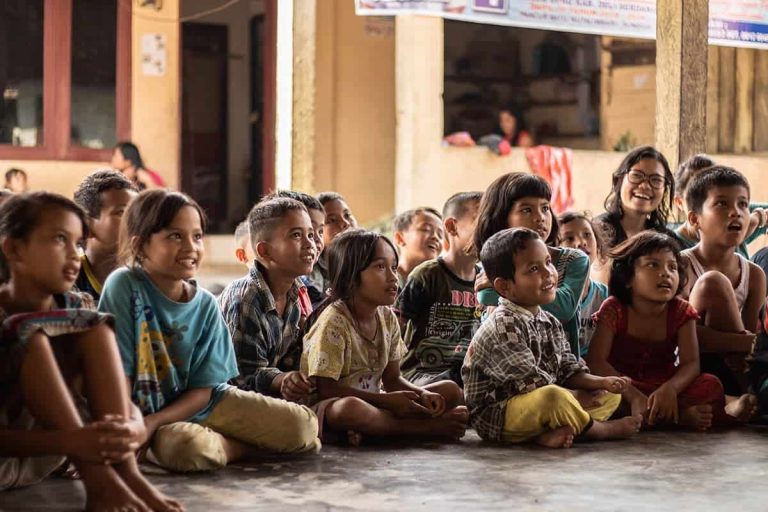
In remote villages in India, volunteer teachers have helped bridge the educational gap by providing free classes and learning materials, giving children from underserved communities access to quality education.
Key Insight:
Volunteer-driven initiatives create opportunities for underprivileged groups, helping to level the playing field and promote social justice.
2. Strengthening Communities
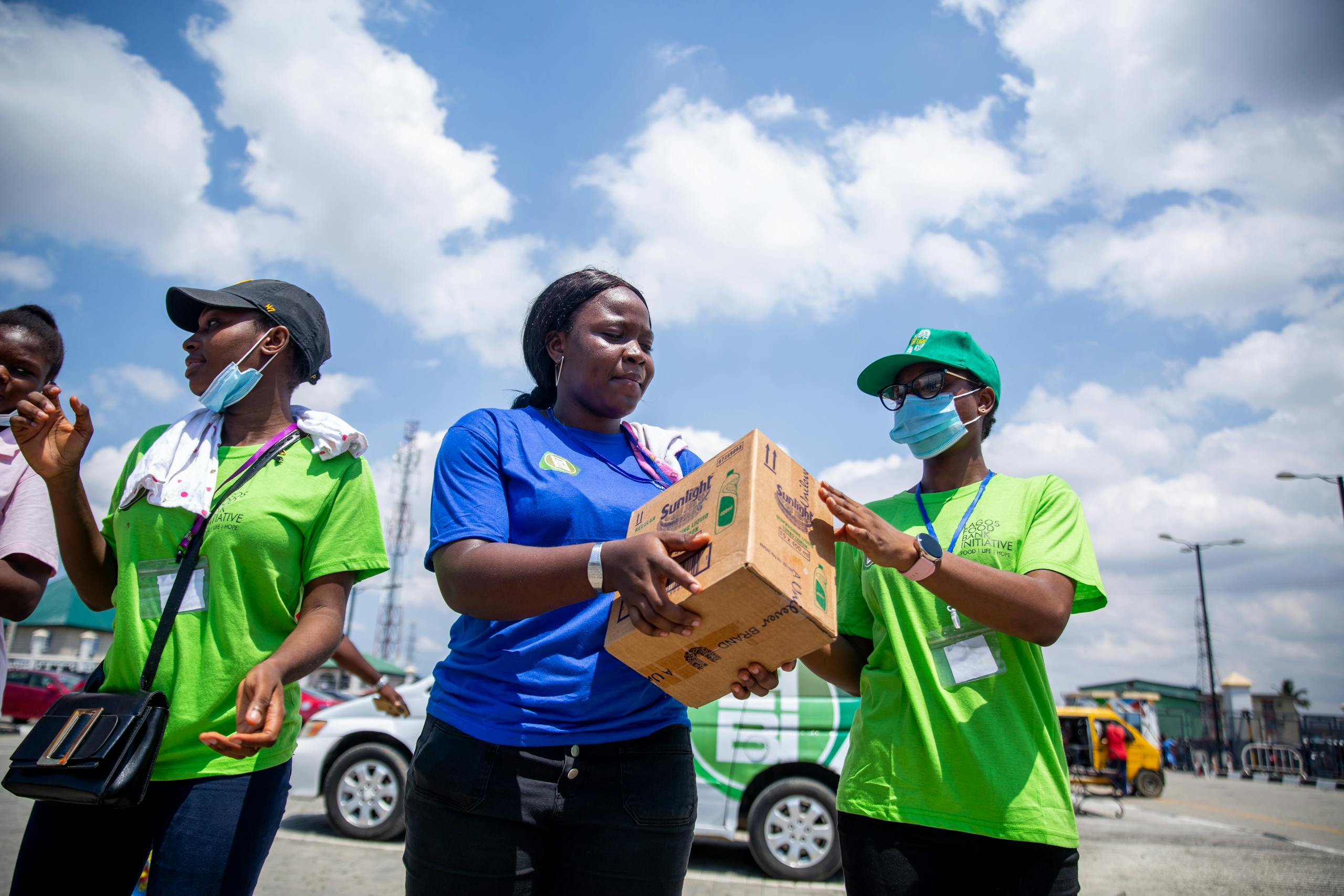
Volunteers help build stronger communities by fostering a sense of belonging and mutual support. They bring people together to work toward common goals, whether it’s cleaning up a neighborhood, organizing health camps, or rebuilding after a natural disaster. This collective action creates a sense of unity and shared purpose.
Example:
After natural disasters like hurricanes or earthquakes, volunteer efforts are often the first line of response. Community members and international volunteers come together to provide immediate relief and long-term support, helping communities recover and rebuild.
Key Insight:
When people volunteer, they invest in their communities, creating a ripple effect of positive change that extends far beyond the initial effort.
3. Promoting Environmental Sustainability
Environmental volunteerism has become increasingly important in addressing issues like climate change, deforestation, and pollution. Volunteers participate in tree-planting drives, beach clean-ups, and conservation projects, raising awareness and encouraging sustainable practices.
Example:
Organizations like United Reformers Network Foundation (URNF) have mobilized thousands of volunteers for reforestation projects, helping to restore degraded ecosystems and combat climate change.
Key Insight:
Volunteers play a critical role in protecting the environment by promoting awareness and taking direct action to preserve natural resources.
4. Enhancing Organizational Capacity
NGOs and community organizations often rely heavily on volunteers to carry out their missions. Volunteers bring diverse skills and expertise, helping these organizations extend their reach and improve their effectiveness. From fundraising and event planning to administrative support and fieldwork, volunteers are an invaluable asset.
Example:
In healthcare-focused NGOs, volunteer doctors and nurses provide medical services in underserved areas, significantly expanding the organization’s capacity to deliver care.
Key Insight:
Volunteers fill critical gaps in service delivery, allowing organizations to maximize their impact and operate more efficiently.
5. Driving Policy and Advocacy Efforts
Volunteers are often at the forefront of social and political movements, advocating for change and raising awareness about important issues. Their grassroots efforts can influence public opinion and drive policy changes, leading to systemic reform.
Example:
The global movement for climate action has been fueled by millions of volunteers participating in marches, educational campaigns, and lobbying efforts, pushing governments to take stronger action against climate change.
Key Insight:
Volunteer-driven advocacy amplifies the voices of marginalized communities and helps shape policies that promote social equity and justice.
The Personal Benefits of Volunteering
While the primary goal of volunteerism is to create positive social impact, it also offers significant personal benefits.
1. Skill Development:
Volunteering provides opportunities to learn new skills, gain valuable experience, and enhance existing abilities. This is particularly beneficial for students, recent graduates, and professionals looking to expand their expertise.
2. Building Connections:
Volunteers often form meaningful relationships with others who share their values and interests. These connections can lead to lifelong friendships, mentorship opportunities, and professional networks.
3. Mental and Emotional Well-Being:
Research shows that volunteering can improve mental health by reducing stress, combating depression, and increasing life satisfaction. The act of helping others fosters a sense of purpose and fulfillment.
Corporate Volunteerism: A Growing Trend
Many companies are recognizing the value of volunteerism and incorporating it into their Corporate Social Responsibility (CSR) strategies. Employee volunteer programs not only benefit communities but also enhance employee engagement, boost morale, and strengthen a company’s reputation.
Example:
Tech companies like Salesforce and Google offer paid time off for employees to volunteer, demonstrating their commitment to social responsibility while fostering a culture of giving back.
Key Insight:
Corporate volunteerism creates a win-win scenario where employees contribute to social causes while developing skills and building team cohesion.
Challenges and Opportunities in Volunteerism
While volunteerism has the potential to drive significant social change, it also faces challenges such as:
- Sustainability: Ensuring long-term commitment from volunteers can be difficult.
- Training and Management: Effective volunteer programs require proper training and management to maximize impact.
- Resource Limitations: Volunteer initiatives often depend on limited resources and funding.
However, these challenges present opportunities for innovation. By leveraging technology, building strong partnerships, and creating structured volunteer programs, organizations can enhance the effectiveness and sustainability of volunteer efforts.
Conclusion: The Transformative Power of Volunteerism
Volunteerism is a cornerstone of social change, empowering individuals to make a difference and building stronger, more resilient communities. Whether through direct service, advocacy, or environmental efforts, volunteers play a crucial role in addressing the world’s most pressing challenges.
As we move toward a future where social and environmental issues are more interconnected than ever, the power of volunteerism will continue to grow. By fostering a culture of civic engagement and collaboration, we can harness this force for good and create a more just, equitable, and sustainable world.
Together, through the power of volunteerism, we can transform lives and shape a brighter future.