Innovative Approaches to Solving Education Inequality
Innovative Approaches to Solving Education Inequality
Education is the cornerstone of individual and societal development. Yet, millions of children and adults around the world still face significant barriers to accessing quality education. Education inequality—whether due to socioeconomic status, geographic location, gender, or disabilities—perpetuates cycles of poverty and limits opportunities for future generations. Addressing this challenge requires innovative approaches that go beyond traditional methods, leveraging technology, community involvement, and new educational models.
Understanding Education Inequality
Education inequality refers to the unequal distribution of academic resources, opportunities, and outcomes among students. It often affects marginalized groups, including children from low-income families, rural communities, and underrepresented minorities. Factors contributing to education inequality include:
- Economic Barriers: Inability to afford school fees, uniforms, or learning materials.
- Geographic Isolation: Limited access to schools, especially in remote or conflict-affected areas.
- Gender Disparities: Cultural norms and practices that prevent girls from attending school.
- Lack of Infrastructure: Inadequate school facilities, such as classrooms, sanitation, and technology.
Innovative solutions can help bridge these gaps ensuring that every child has the opportunity to learn and thrive.
1. Leveraging Technology for Education Access
Digital Learning Platforms
Technology has revolutionized the way education is delivered. Online learning platforms and mobile applications offer flexible, accessible, and cost-effective education solutions. They bridge the gap for students who cannot attend traditional schools due to distance or economic constraints.
Example:
Organizations like Khan Academy and Coursera provide free or low-cost courses, making quality education accessible to students worldwide. In rural Africa, programs like Bridge International Academies use tablet-based learning to deliver standardized education to remote communities.
Key Innovation:
Mobile learning apps tailored for low-bandwidth environments enable students in remote areas to access educational content without requiring expensive infrastructure.
Virtual Classrooms and EdTech Tools
Virtual classrooms and interactive tools provide immersive learning experiences. These tools can be particularly effective for students with special needs or those requiring personalized learning paths.
Example:
In India, the Diksha Platform offers digital lessons aligned with the national curriculum, helping teachers and students access high-quality content in multiple languages.
2. Community-Driven Educational Models
Community Schools and Learning Hubs
Community-based education models empower local communities to take ownership of their educational systems. These schools often operate with support from NGOs and local governments, focusing on culturally relevant curricula and involving parents and community leaders.
Example:
In Kenya, Shining Hope for Communities (SHOFCO) runs schools in urban slums, providing free education, healthcare, and social services. The program engages local residents in school operations, fostering a sense of ownership and accountability.
Key Innovation:
Community schools adapt to local needs and contexts, making education more relevant and engaging for students.
Parental Involvement Programs
Educating parents about the importance of schooling and involving them in their children’s education can significantly improve learning outcomes. Workshops, home visits, and parent-teacher associations help build strong support networks.
Example:
Programs like Save the Children’s Literacy Boost train parents in developing literacy skills at home, reinforcing classroom learning.
3. Public-Private Partnerships (PPPs)
Public-private partnerships combine the resources and expertise of the public and private sectors to improve education access and quality. These collaborations often focus on infrastructure development, teacher training, and technology integration.
Example:
In Brazil, the LEGO Foundation partnered with local governments to introduce play-based learning in public schools, enhancing student engagement and critical thinking skills.
Key Innovation:
PPPs leverage corporate resources and innovation to address educational challenges that governments may struggle to tackle alone.
4. Alternative Education Models
Non-Formal Education (NFE) Programs
Non-formal education programs provide flexible learning opportunities for children and adults who cannot attend regular schools. These programs include evening classes, vocational training, and literacy courses.
Example:
In Bangladesh, the BRAC Education Program offers non-formal schools that accommodate the needs of working children, helping them gain basic literacy and numeracy skills.
Key Innovation:
Flexible learning schedules and curricula tailored to learners’ needs make education accessible to those outside the traditional system.
Montessori and Experiential Learning
Innovative teaching methods, such as Montessori and experiential learning, emphasize hands-on, student-centered education. These approaches foster critical thinking, creativity, and problem-solving skills.
Example:
In the United States, Big Picture Learning schools focus on real-world projects and internships, allowing students to learn through experience and pursue their interests.
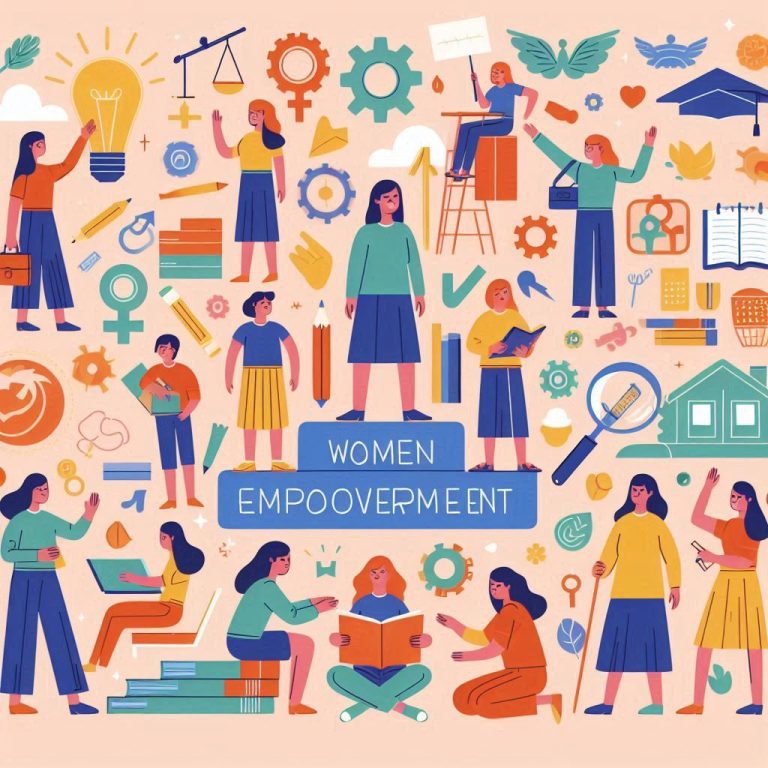
5. Addressing Gender Inequality in Education
Girls’ Education Initiatives
Gender-focused programs address the specific barriers that prevent girls from accessing education, such as early marriage, domestic responsibilities, and cultural norms. Providing scholarships, safe transportation, and female role models can make a significant difference.
Example:
The Malala Fund works globally to advocate for girls’ education and supports local organizations that help girls stay in school.
Key Innovation:
Holistic programs that address both educational and social challenges can create lasting change for girls and their communities.
6. Teacher Training and Capacity Building
Innovative Teacher Training Programs
Well-trained teachers are essential for quality education. Teacher training programs that incorporate modern teaching techniques, technology integration, and cultural sensitivity can improve educational outcomes.
Example:
In Rwanda, the Teach Rwanda program trains local teachers in child-centered teaching methodologies, enhancing the quality of education in rural areas.
Key Innovation:
Continuous professional development and mentorship programs ensure that teachers stay updated with the latest educational practices.
7. Data-Driven Education Initiatives
Using Data to Drive Decisions
Data collection and analysis help identify gaps, track student progress, and evaluate program effectiveness. Education stakeholders can use data to make informed decisions and tailor interventions to specific needs.
Example:
In India, the Annual Status of Education Report (ASER) provides critical data on learning outcomes, helping policymakers and NGOs design targeted interventions.
Key Innovation:
Data-driven approaches ensure that resources are allocated efficiently and that programs are continuously improved based on evidence.
Conclusion: Innovation as the Path Forward
Solving education inequality requires innovative approaches that address the diverse and complex challenges faced by underserved communities. By leveraging technology, fostering community involvement, promoting gender equality, and embracing alternative education models, we can create more inclusive and equitable educational systems. Collaboration between governments, NGOs, private sector partners, and local communities is crucial to driving sustainable change.
The future of education lies in our ability to innovate, adapt, and work together. Through creative solutions and collective effort, we can ensure that every child, regardless of their background or circumstances, has the opportunity to learn, grow, and thrive.