Disaster Relief: Best Practices for Rapid Response and Recovery
Disaster Relief: Best Practices for Rapid Response and Recovery
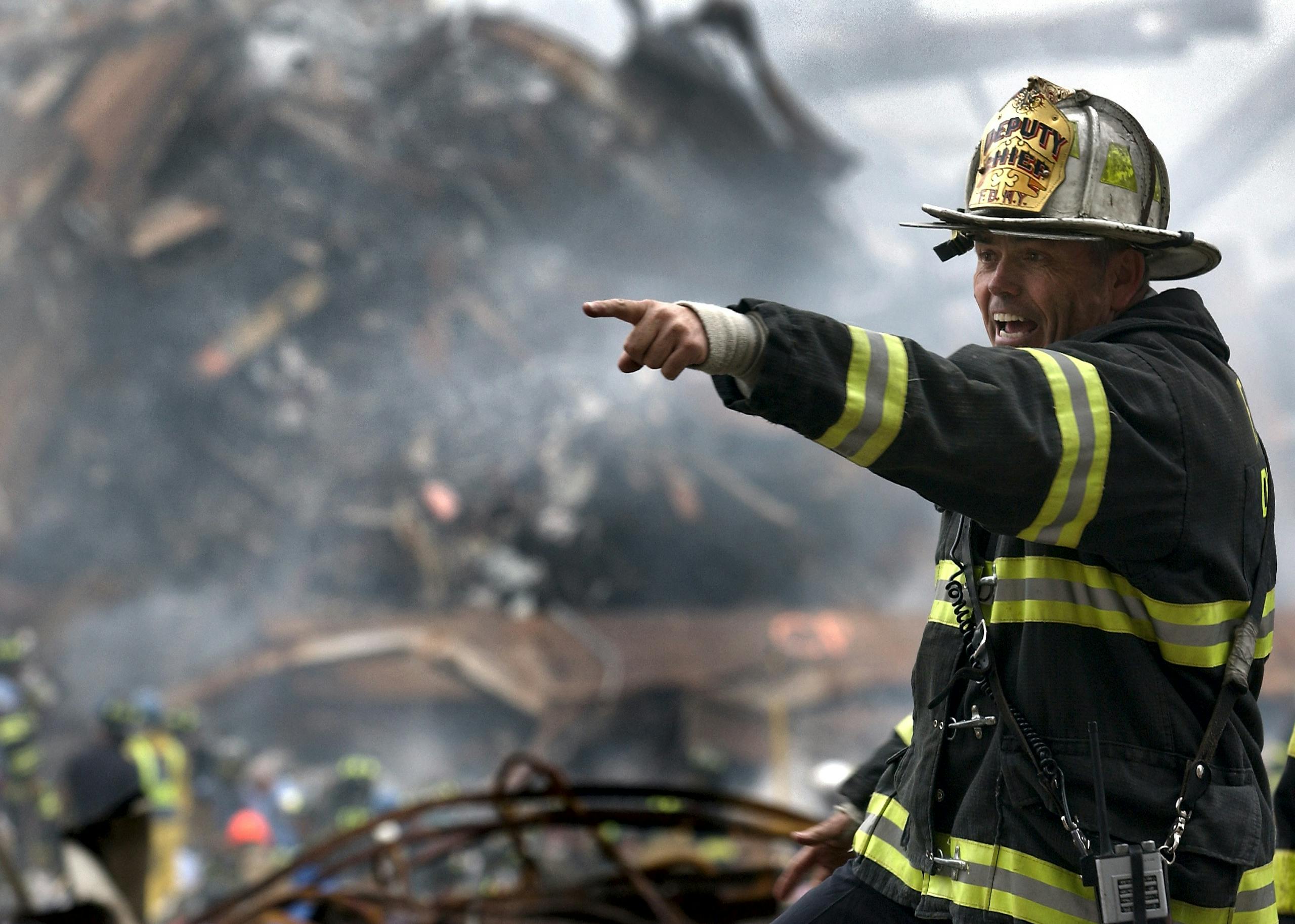
Natural disasters, whether they be earthquakes, floods, hurricanes, or wildfires, strike with devastating force, often leaving communities in chaos and vulnerable to long-term social and economic consequences. The need for effective disaster relief is immediate, as the damage caused by such events often results in loss of life, destruction of infrastructure, displacement of communities, and widespread fear and confusion.
In response, disaster relief efforts must be swift, organized, and compassionate. While the initial response focuses on saving lives and providing immediate aid, long-term recovery efforts are necessary to help communities rebuild and return to normalcy. In this article, we explore best practices for disaster relief, emphasizing rapid response, effective coordination, and sustainable recovery.
Key Phases of Disaster Relief
Disaster relief can be broken down into two key phases: rapid response and recovery. Both require careful planning, coordination, and execution to ensure that the affected population receives the help they need promptly and efficiently.
1. Rapid Response: Immediate Action to Save Lives
The first phase of disaster relief focuses on delivering immediate aid and ensuring that survival needs are met. The key priorities in this phase are providing food, water, medical care, shelter, and safety for affected populations.
Best Practices for Rapid Response:
a) Pre-Disaster Preparedness
While it’s impossible to predict when and where a disaster will strike, organizations can take steps to prepare in advance. Pre-disaster preparedness enables faster, more efficient responses when disaster strikes.
Best Practices:
- Develop Emergency Plans: Governments and NGOs should have emergency response plans that are well-practiced and adaptable. This includes mapping resources, identifying key personnel, and establishing communication networks.
- Pre-position Supplies: Storing essential supplies like food, water, medical kits, and temporary shelters in areas at high risk of disaster ensures that aid can be deployed immediately.
- Establish Partnerships: Build relationships with local governments, businesses, and other organizations to create a robust network of support.
Example:
The World Food Programme (WFP) stores emergency food supplies in disaster-prone regions and pre-arranges logistics, ensuring food is available immediately after a crisis.
b) Rapid Needs Assessment
In the immediate aftermath of a disaster, it’s crucial to assess the situation quickly to understand the scope of the damage and determine the immediate needs of the affected population.
Best Practices:
- Conduct Quick, Accurate Assessments: Use trained teams to gather data on the ground quickly. This can involve satellite imagery, mobile apps, and local field reports.
- Prioritize Critical Needs: Focus on the most urgent needs first—life-saving assistance such as food, clean water, medical supplies, and shelter.
Example:
After Hurricane Maria hit Puerto Rico in 2017, relief teams used drones and satellite imagery to assess damage in remote areas, which helped them prioritize resource distribution.
c) Coordination Among Agencies
In the chaos following a disaster, multiple agencies often rush to provide aid. Effective coordination is crucial to avoid duplication of efforts, ensure that resources are used efficiently, and prevent confusion on the ground.
Best Practices:
- Establish a Central Coordination Hub: Use agencies like the United Nations Office for the Coordination of Humanitarian Affairs (OCHA) or local disaster management authorities to coordinate efforts.
- Set Up Communication Networks: Establish clear communication channels to ensure that all stakeholders (NGOs, government agencies, community leaders, etc.) are working towards common goals.
- Collaborate with Local Governments: Partner with local authorities, as they know the area and population best. Local governments should be integrated into the response efforts.
Example:
The Sphere Project, which focuses on humanitarian standards, is a well-known initiative that helps agencies coordinate disaster response and ensure that international aid adheres to basic human needs and rights.
2. Recovery: Rebuilding and Long-Term Support
Once the immediate needs are met, the recovery phase begins. This phase is longer-term, focusing on rebuilding communities, restoring services, and ensuring resilience to future disasters.
Best Practices for Effective Recovery:
a) Long-Term Needs Assessment and Planning
After the initial response, organizations must reassess the community’s needs and design long-term recovery plans. This process involves addressing the physical, emotional, social, and economic challenges caused by the disaster.
Best Practices:
- Involve Affected Communities in Planning: Recovery efforts should be based on the needs and priorities of the community. Engage local people in recovery planning to ensure their perspectives and knowledge are included.
- Build Resilience into Recovery Plans: Recovery should focus not just on rebuilding what was lost, but on strengthening communities’ ability to withstand future disasters. This could mean building stronger infrastructure or diversifying local economies.
Example:
In Nepal after the 2015 earthquake, recovery efforts focused not only on rebuilding homes but also on strengthening local disaster preparedness through community training programs.
b) Restoring Services and Infrastructure
Rebuilding infrastructure—such as roads, electricity, water systems, and schools—is vital for restoring normal life. The goal is to quickly restore basic services and gradually return the affected area to self-sufficiency.
Best Practices:
- Provide Temporary Housing: In many cases, displaced people need temporary shelters while permanent housing is being constructed. Modular housing, tents, and community centers can provide safe living spaces.
- Rebuild Critical Infrastructure: Restore vital infrastructure first, including water systems, healthcare facilities, and roads to connect affected areas.
Example:
Following the Indian Ocean Tsunami (2004), organizations like the World Bank helped rebuild critical infrastructure, focusing on sustainable and disaster-resistant construction methods in coastal areas.
c) Mental Health and Social Support
The psychological impact of disasters can be long-lasting. Mental health support should be integrated into recovery efforts to help individuals and communities heal from trauma.
Best Practices:
- Provide Mental Health Counseling: Offer support services for survivors to cope with grief, trauma, and stress. Community-based programs can be particularly effective.
- Strengthen Social Cohesion: Social support systems, such as community centers and peer support groups, can help rebuild social fabric and foster community solidarity.
Example:
After the Great East Japan Earthquake (2011), Japanese NGOs provided widespread mental health support to survivors, recognizing the long-term emotional toll of the disaster.
d) Empowering Local Economies
Recovering livelihoods is a key aspect of long-term recovery. Efforts should focus on restoring jobs, supporting small businesses, and building sustainable economic systems that reduce vulnerability.
Best Practices:
- Support Small Business Recovery: Provide microloans, grants, or other financial aid to help local businesses restart.
- Offer Skills Training: Train people in new skills or trades to ensure they have opportunities for income generation.
- Promote Sustainable Development: Encourage environmentally sustainable practices and resilient agricultural methods to avoid future vulnerabilities.
Example:
In Haiti, after the 2010 earthquake, organizations like Partners In Health worked to rebuild local healthcare infrastructure and train community health workers, which improved both employment and access to healthcare.
3. Leveraging Technology for Disaster Response and Recovery
Technology plays a key role in modern disaster relief and recovery efforts, enhancing everything from communication and resource management to data collection and early warning systems.
Best Practices:
- Use Geographic Information Systems (GIS): GIS technology allows responders to map the disaster area, assess damage, and track resource distribution efficiently.
- Deploy Drones and Satellite Imagery: Drones and satellites can assess damage in hard-to-reach areas and monitor recovery progress in real-time.
- Mobile Apps and Data Platforms: Mobile platforms can be used to disseminate information, collect donations, and track the recovery process.
Example:
After the 2015 Nepal earthquake, drones were used to assess remote areas for damage, while mobile apps helped organize relief efforts and provide real-time updates to volunteers and affected populations.
Conclusion: Building Resilience for the Future
Effective disaster relief is about more than just responding to the immediate crisis. It involves long-term recovery efforts that focus on rebuilding lives, infrastructure, and communities while enhancing resilience to future disasters. By following best practices in rapid response and recovery, such as effective coordination, community involvement, mental health support, and leveraging technology, NGOs and governments can ensure that the communities affected by disasters not only recover but thrive.
Disaster relief is a collaborative, multifaceted effort that requires preparation, swift action, and a commitment to sustainable development. The ultimate goal is to restore normalcy while fostering resilience, ensuring that communities are better prepared for the challenges of tomorrow. Through effective disaster relief strategies, we can transform tragedy into opportunity and create more resilient societies.