
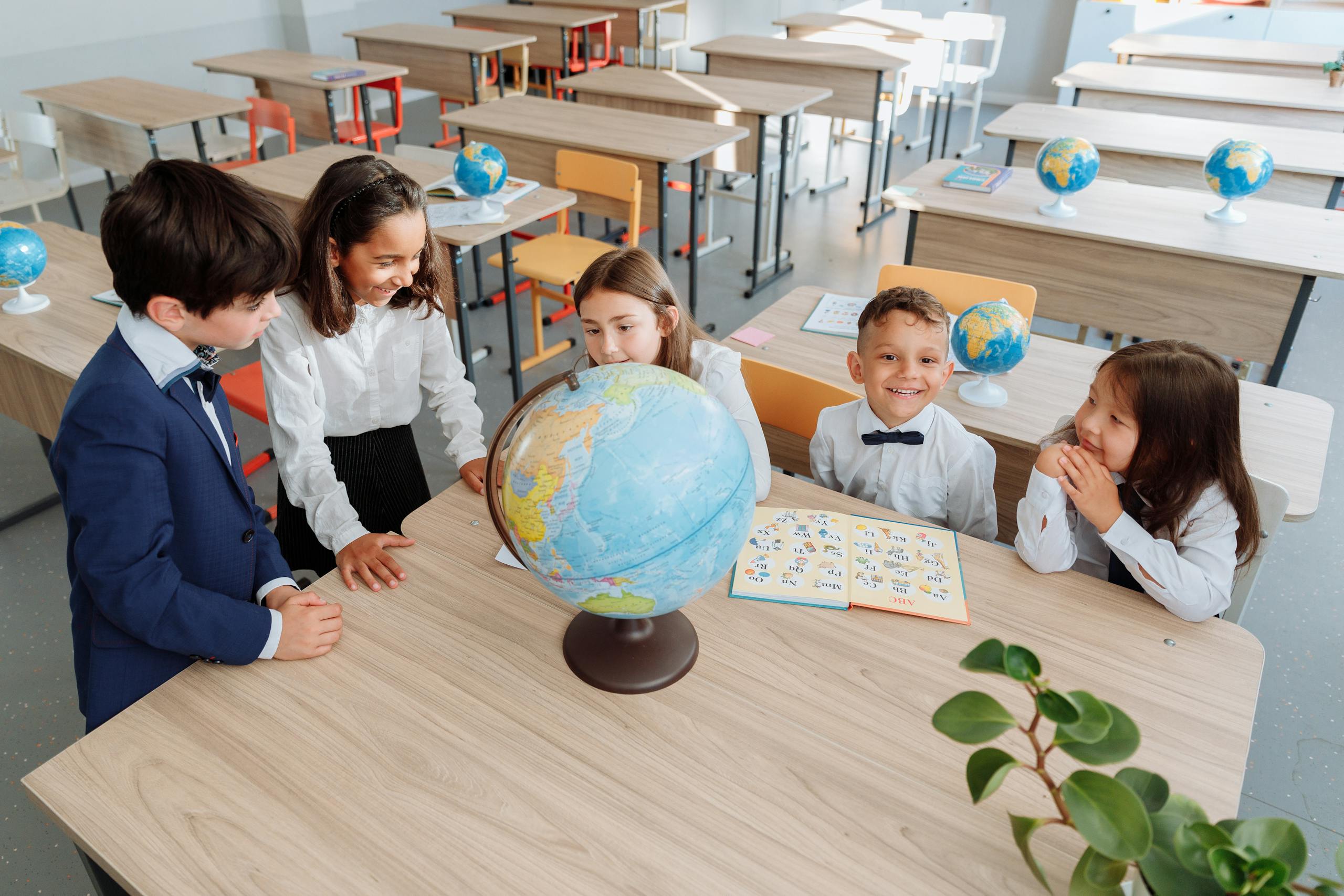
The Importance of Early Childhood Education in Developing Countries
The Importance of Early Childhood Education in Developing Countries
Early childhood education (ECE) is one of the most critical components in a child’s development, yet it often remains underfunded and underprioritized in many developing countries. The early years of life, from birth to age 8, are crucial for cognitive, emotional, and social development. Research consistently shows that providing quality early education can have a profound and long-lasting impact on a child’s future, especially in regions where poverty, inequality, and lack of resources can limit opportunities for growth.
In developing countries, where access to education is often limited by various social and economic challenges, ensuring that children have access to high-quality early childhood education can help break the cycle of poverty, promote gender equality, and foster sustainable development. This article explores the importance of early childhood education in developing countries, the challenges that prevent its widespread implementation, and the transformative potential that ECE holds for children, families, and entire communities.
The Critical Role of Early Childhood Education
The first few years of life are when a child’s brain develops at its fastest rate, and experiences during this period have a lasting impact on their future learning, behavior, and health. Early childhood education is more than just the introduction of academic subjects; it is about providing young children with a nurturing environment that supports their emotional, social, cognitive, and physical development.
1. Cognitive Development and School Readiness
Research shows that children who attend quality early childhood education programs are better prepared for school. Early childhood education programs that focus on literacy, numeracy, and social skills give children a solid foundation for academic success.
- School Readiness: Children who attend preschool tend to perform better in primary school, demonstrating higher cognitive abilities and better problem-solving skills.
- Language Skills: Early exposure to language-rich environments helps children develop strong communication skills, which are essential for success in school and later in life.
2. Emotional and Social Development
ECE programs help children learn emotional regulation, cooperation, and socialization skills—critical abilities that will benefit them throughout their lives.
- Social Skills: By interacting with their peers and teachers, children learn how to work in groups, resolve conflicts, and communicate their needs.
- Emotional Resilience: Early childhood education fosters emotional security, which is vital for a child’s self-esteem and resilience in the face of challenges.
3. Long-Term Impact on Health and Well-Being
Investing in early childhood education also has long-term health benefits. Children who experience a supportive, stimulating environment during their early years are more likely to lead healthy lives, both physically and mentally.
- Reduced Risk of Malnutrition: ECE programs that include nutrition education and health services can help address childhood malnutrition, a significant issue in many developing countries.
- Better Health Outcomes: Studies suggest that children who have attended early education programs are more likely to lead healthier lives, have lower rates of chronic illness, and engage in healthier behaviors as adults.
The Socio-Economic Benefits of Early Childhood Education
Investing in early childhood education yields long-term socio-economic benefits that extend beyond the individual child. The benefits of quality early education are not just confined to the child but ripple outward to families, communities, and entire nations.
1. Breaking the Cycle of Poverty
In developing countries, poverty is a major barrier to educational access, and children from impoverished families are at a higher risk of poor educational outcomes. Early childhood education offers an opportunity to break this cycle by providing children from disadvantaged backgrounds with the tools and skills needed to succeed academically.
- Increased Economic Mobility: Quality early childhood education gives children from low-income families the opportunity to escape poverty by providing the foundation for academic and professional success later in life.
- Higher Earnings: Studies show that children who have access to early education are more likely to secure well-paying jobs as adults, thus improving their economic mobility and contributing to the broader economy.
2. Promoting Gender Equality
Early childhood education is a powerful tool for promoting gender equality. In many developing countries, girls are disproportionately affected by poverty, discrimination, and social norms that limit their opportunities. By providing girls with access to early education, we give them the foundation to challenge traditional gender roles and pursue their ambitions.
- Educational Equity: ECE programs can help reduce gender disparities in education by ensuring that both boys and girls have equal access to learning opportunities.
- Empowerment: Early education empowers girls to assert their rights, become leaders, and contribute to their communities’ development, helping to break down gender barriers that limit their potential.
3. Economic Development
Investing in early childhood education also contributes to a country’s economic growth. By developing the next generation of educated, skilled, and capable workers, countries are investing in their future workforce.
- Improved Productivity: Children who have access to early education are more likely to graduate from school and enter the workforce with the skills necessary to contribute to the economy.
- Reduced Inequality: ECE can play a critical role in reducing social inequality. By providing all children with access to education, regardless of their background or socio-economic status, ECE promotes a more equitable society.
Challenges to Early Childhood Education in Developing Countries
While the importance of early childhood education is clear, many developing countries face significant barriers to providing quality ECE for all children. Addressing these challenges is essential for ensuring that every child has the opportunity to benefit from early education.
1. Lack of Funding and Resources
In many developing countries, education budgets are limited, and early childhood education is often seen as a lower priority compared to primary and secondary education.
- Limited Infrastructure: In rural areas, the lack of schools, educational materials, and qualified teachers prevents children from accessing early education.
- Insufficient Government Investment: Many governments in developing countries allocate insufficient funds for early childhood education programs, resulting in overcrowded classrooms and poor-quality education.
2. Shortage of Trained Teachers
Inadequate training for ECE teachers is a significant barrier to providing high-quality education. Many early childhood educators lack the necessary skills to teach young children effectively, which can lead to poor educational outcomes.
- Professional Development: In many regions, there is a shortage of qualified early childhood educators who have the necessary training in child development, teaching methods, and classroom management.
- Low Wages and Recognition: Teachers in early childhood education programs are often paid poorly and receive little recognition for their work, leading to high turnover rates and a lack of consistency in quality education.
3. Cultural and Social Barriers
Cultural attitudes toward early childhood education can also present a barrier. In some cultures, there is a preference for children to stay at home and help with household chores rather than attend school, especially for girls.
- Parental Awareness: In many developing countries, parents may not fully understand the benefits of early childhood education or may prioritize immediate economic needs over long-term educational investment.
- Gender Norms: In some societies, early education programs may not be viewed as equally important for boys and girls, particularly when there are traditional beliefs about the role of girls in the family.
Solutions and Way Forward
Addressing the challenges to early childhood education requires a multi-faceted approach, including increased investment, improved teacher training, and the promotion of community engagement. Here are some strategies that can help improve access to ECE in developing countries:
1. Increased Government Investment
Governments must prioritize early childhood education by allocating more resources to ECE programs. This includes funding for infrastructure, teacher salaries, educational materials, and community outreach programs. Investing in early education will have a significant return on investment in terms of economic growth, productivity, and social equity.
2. Community Engagement and Parental Involvement
Raising awareness about the importance of early childhood education is critical. Community outreach programs and initiatives that involve parents in the learning process can help change cultural perceptions and increase enrollment in early education programs.
- Parenting Education: Providing education and resources to parents on the importance of early childhood education and how they can support their children’s learning at home can enhance the impact of formal education programs.
3. Public-Private Partnerships
Collaborations between governments, NGOs, and private companies can help expand access to early childhood education. These partnerships can provide funding, training, and resources to scale up ECE programs in underserved areas.
- Example: The Global Partnership for Education works with governments, NGOs, and the private sector to improve early childhood education and provide access to quality learning for children in developing countries.
Conclusion
Early childhood education is essential for the development of individuals, communities, and nations. It offers a critical foundation for lifelong learning, personal empowerment, and social equity, particularly in developing countries. By addressing the challenges that prevent children from accessing quality early education—such as inadequate funding, teacher shortages, and cultural barriers—we can unlock the potential of future generations, reduce poverty, and promote long-term social and economic development.
Governments, NGOs, and communities must work together to invest in early childhood education, ensuring that all children, regardless of their background, have access to the opportunities they deserve. The benefits of early childhood education are immense, and by prioritizing this sector, we can build a brighter, more equitable future for all.