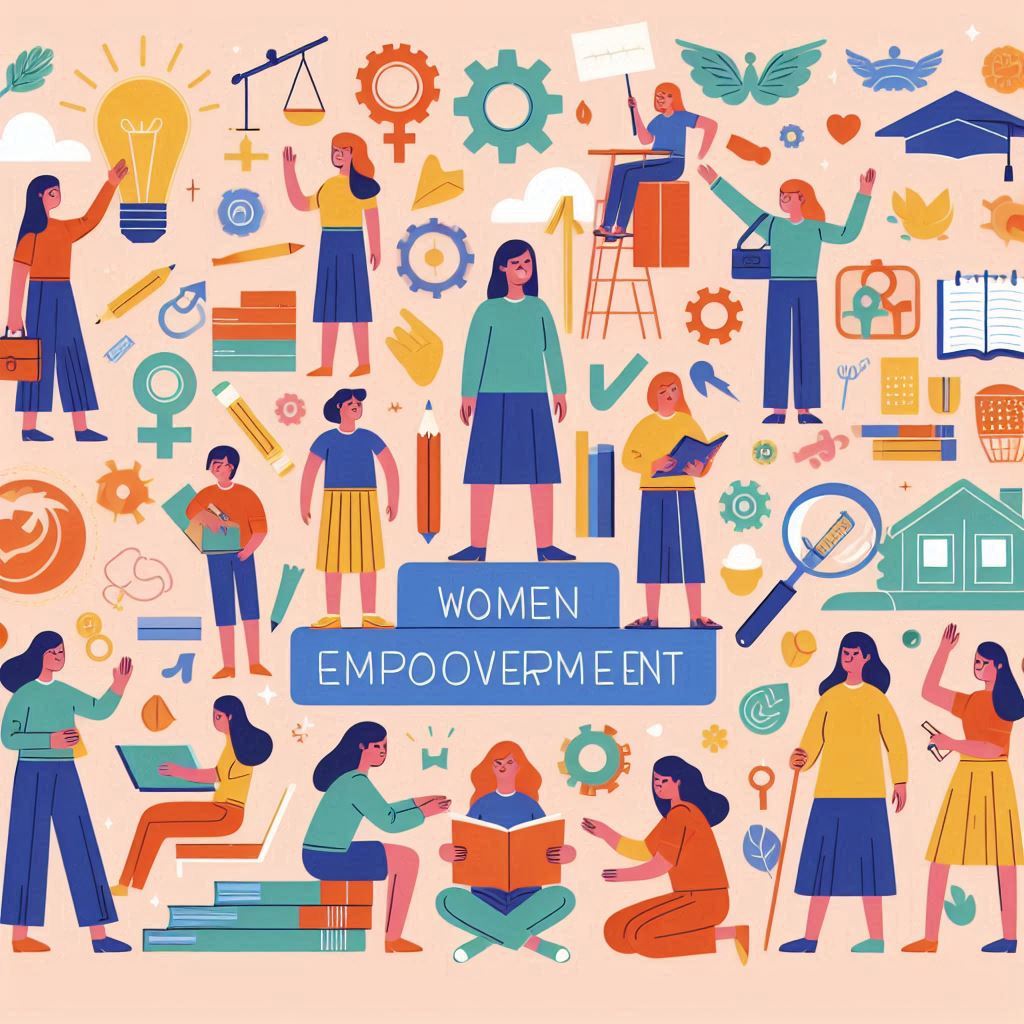
Women’s Empowerment: Bridging the Gender Gap Through Education and Skills
Women’s Empowerment: Bridging the Gender Gap Through Education and Skills
Women’s empowerment is a powerful catalyst for social, economic, and cultural transformation. One of the most effective ways to empower women and break the cycle of inequality is through education and skills development. When women are provided with equal opportunities to learn and develop skills, they not only uplift themselves but also contribute to the overall progress of their communities and societies. Education and skill-building initiatives play a pivotal role in bridging the gender gap, giving women the tools they need to become leaders, innovators, and agents of change.
The Gender Gap in Education and Skills Development
Despite significant progress over the last few decades, gender inequality remains a persistent challenge, particularly in education and skills development. Globally, women and girls are more likely to be excluded from formal education and vocational training due to cultural, social, and economic barriers. These disparities create a vicious cycle where women, lacking access to education, are more likely to face poverty, unemployment, and limited opportunities.
Key Factors Contributing to Gender Inequality in Education and Skills Development:
- Socioeconomic Barriers: In many countries, girls from low-income families are often denied access to education in favor of sending boys to school. Families may prioritize the education of sons over daughters, especially when resources are scarce.
- Cultural Norms: In some societies, traditional gender roles restrict women’s access to education and economic opportunities. Early marriage, domestic responsibilities, and societal expectations can prevent girls from completing their education.
- Inadequate Infrastructure: Lack of schools, female-friendly facilities, and transportation options in rural areas makes it difficult for girls to attend school consistently.
Addressing these challenges through targeted education and skills programs can dramatically improve the lives of women, their families, and entire communities.
The Role of Education in Empowering Women
Education is a fundamental human right and one of the most powerful tools for empowering women. By providing women with the knowledge and confidence they need, education allows them to make informed decisions, challenge social norms, and actively participate in the economy and society.
1. Providing Equal Access to Quality Education
Ensuring that girls and women have equal access to education is the first step in closing the gender gap. This includes not only primary and secondary education but also opportunities for higher education and vocational training. When women are educated, they are more likely to delay marriage, have fewer children, and invest in the health and education of their families.
Example:
In countries like Rwanda and Bangladesh, where gender disparities in education were once widespread, efforts to increase girls’ enrollment in schools have resulted in higher female literacy rates, improved health outcomes, and greater economic participation among women.
Key Insight:
Educated women are more likely to become leaders in their communities and contribute to policy-making and social reform.
2. Strengthening Decision-Making Power
Education also enhances women’s decision-making power in both their personal lives and communities. Women who are educated are more likely to have the knowledge and autonomy to make decisions about their health, finances, and family life.
Example:
In India, where educational programs for women have been implemented across rural communities, many women now make decisions about their health, including family planning, and have a stronger say in household finances and property ownership.
Key Insight:
Educated women are more likely to challenge societal norms and advocate for gender equality, resulting in more equitable communities.
The Role of Skills Development in Women’s Empowerment
While education provides the foundation for empowerment, practical skills development plays a critical role in enabling women to achieve economic independence, access better job opportunities, and enhance their social mobility.
1. Vocational Training and Employment Opportunities
Vocational and technical training equips women with specific skills that increase their employability in diverse sectors, from technology and healthcare to agriculture and entrepreneurship. These skills provide women with the confidence and capability to earn an income, become entrepreneurs, and contribute to their families’ financial stability.
Example:
Programs like the SEWA (Self-Employed Women’s Association) in India provide women with training in sewing, agriculture, and other practical skills. These women are empowered to start small businesses, generate income, and become financially independent, lifting themselves and their families out of poverty.
Key Insight:
Vocational training not only enhances women’s earning potential but also strengthens local economies and promotes social and economic development.
2. Entrepreneurship and Financial Literacy
Providing women with entrepreneurship training and financial literacy is another way to empower them economically. By understanding how to manage money, create business plans, and market products, women can start and grow their own businesses, creating jobs and contributing to the local economy.
Example:
In Sub-Saharan Africa, organizations like One Acre Fund are training female farmers to improve their agricultural productivity and market access. Many of these women have gone on to create cooperatives, improving the livelihoods of entire communities.
Key Insight:
When women are financially literate and have entrepreneurial skills, they are better equipped to build businesses, generate income, and lift themselves out of poverty.
Overcoming Barriers to Women’s Education and Skills Development
Although the importance of women’s education and skills development is clear, several barriers still prevent many women from accessing these opportunities. To bridge the gender gap, efforts must be made to address these obstacles:
1. Combating Cultural and Societal Norms:
Changing cultural perceptions about the role of women is essential. Education programs must challenge gender stereotypes and encourage communities to support the education of girls and women.
2. Providing Financial Support:
Financial constraints are one of the biggest obstacles for women seeking education. Scholarships, stipends, and financial aid programs targeted at girls and women can help eliminate this barrier.
3. Creating Safe and Inclusive Learning Environments:
In many regions, schools are not safe for girls due to violence, harassment, or inadequate sanitation facilities. Creating female-friendly environments with sanitation facilities, safety protocols, and female teachers can help increase girls’ enrollment and retention in school.
4. Supporting Mentorship and Role Models:
Mentorship programs and female role models can inspire young women to pursue education and skills development. These programs also provide guidance and support as they navigate their educational and professional journeys.
The Ripple Effect: Empowering Women to Transform Communities
The impact of women’s education and skills development extends far beyond the individual. Empowered women uplift their families, influence their communities, and contribute to national development. Educated women are more likely to invest in their children’s education and healthcare, creating a positive cycle of growth and development for future generations.
Key Insight:
When women are empowered through education and skills development, they become powerful agents of change, driving social, economic, and cultural transformation in their communities.
Conclusion: Bridging the Gap for a Better Future
Bridging the gender gap through education and skills development is not only a moral imperative but also a catalyst for sustainable development. By investing in women’s education and training, we can create a more equal and prosperous world. The empowerment of women leads to stronger communities, healthier societies, and economic growth that benefits everyone. It’s time to break down the barriers that prevent women from achieving their full potential and ensure that every woman, regardless of her background or circumstances, has access to the education and skills she needs to succeed.
Empowering women through education and skills development is key to unlocking a brighter, more equitable future for all.